




Perché iOS 26 è così lento?

Updating an iPhone to a new iOS version should ideally make the device feel better, not worse. However, after installing iOS 26, some users may notice that their iPhone feels unusually slow or unresponsive. Apps may take longer to open, animations can become choppy, scrolling may not feel smooth, and the keyboard or touch controls may occasionally respond with a delay.
Experiencing lag after a major iOS update does not necessarily mean that your iPhone has a hardware problem. A new operating system can introduce additional background processes, compatibility issues, temporary bugs, and other factors that affect performance. Fortunately, most common causes can be addressed with a few simple troubleshooting steps.
In this guide, we will explain why iOS 26 is so laggy, introduce several quick ways to improve performance, and show an advanced tool that can help when the problem is related to deeper iOS system issues.
1. Why Is iOS 26 So Laggy?
If your iPhone has become sluggish after upgrading to iOS 26, one or more of the following reasons may be responsible.
1.1 Background Processing
After a major update, iOS may continue performing tasks in the background, such as indexing files, organizing photos, updating data, and optimizing system resources. These processes can temporarily use additional CPU and storage resources, making your iPhone feel slower.
1.2 Limited Storage Space
An iPhone with very little free storage may experience performance problems. iOS needs available space for temporary files, app data, system processes, and other operations. If your storage is nearly full, clearing unnecessary files can help.
1.3 Outdated Apps
Some apps may not initially be fully optimized for a new iOS release. An outdated application can crash, freeze, consume excessive resources, or cause noticeable lag. Updating apps through the App Store can resolve compatibility problems.
1.4 iOS Bugs
New software versions can sometimes contain bugs that affect particular iPhone models or features. Performance issues may include delayed touch responses, stuttering animations, app crashes, or temporary freezes. Future iOS updates may address these problems.
1.5 Older Hardware
Although iOS 26 may support your iPhone, newer software can place different demands on the device. Older iPhones may have less processing power or memory, which can make certain animations and resource-intensive functions feel slower.
1.6 Poor Battery Health
An aging battery may also contribute to perceived performance problems. When battery health has significantly declined, iOS can use performance management in certain situations to reduce the risk of unexpected shutdowns.
1.7 Resource-Heavy Apps
Some apps, especially those involving video editing, gaming, photo processing, or other demanding activities, can consume significant system resources. If lag occurs mainly while using a particular application, that app may be the source of the problem.
2. How to Make iOS 26 Less Laggy?
Before considering advanced repair methods, try these straightforward solutions.
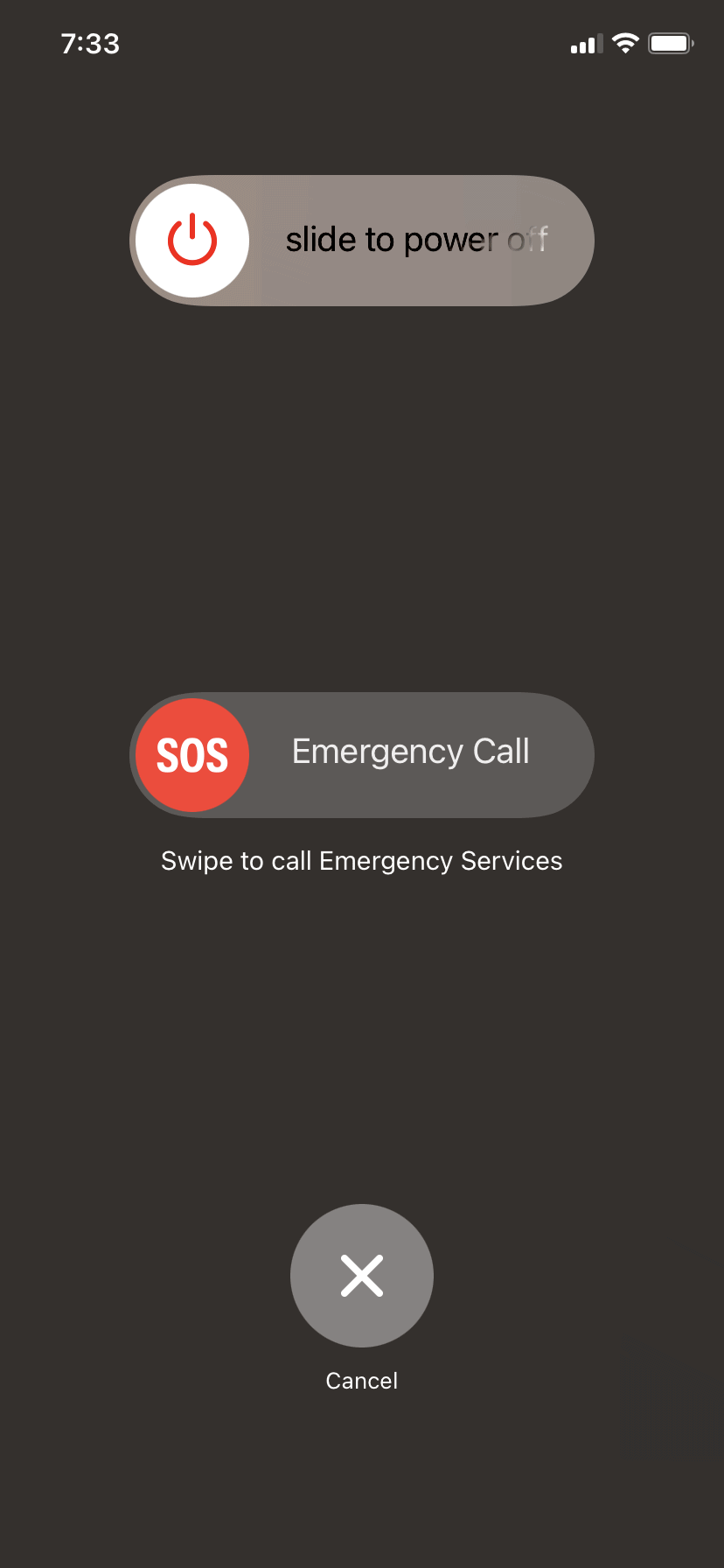
2.1 Riavvia il tuo iPhone
Restarting your iPhone can clear temporary glitches and refresh system resources. Turn the device off, wait a few seconds, and turn it back on.
2.2 Free Up Storage
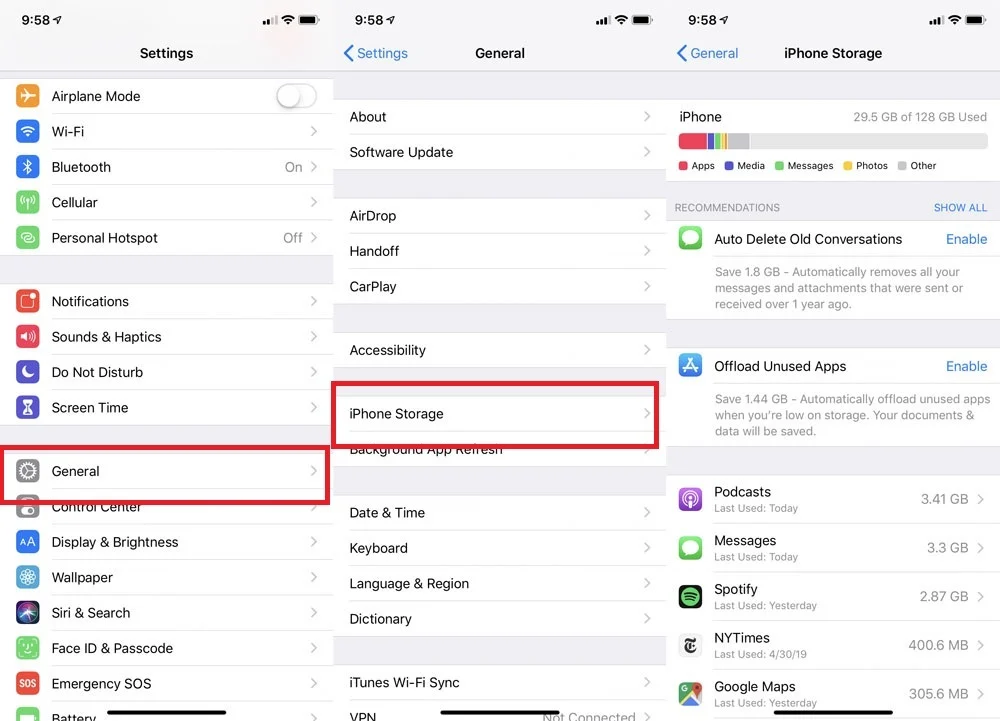
Vai a
Impostazioni > Generali > Archiviazione iPhone
to see what is consuming space. Remove unused apps, large downloads, unnecessary videos, and other files you no longer need.
2.3 Update Your Apps
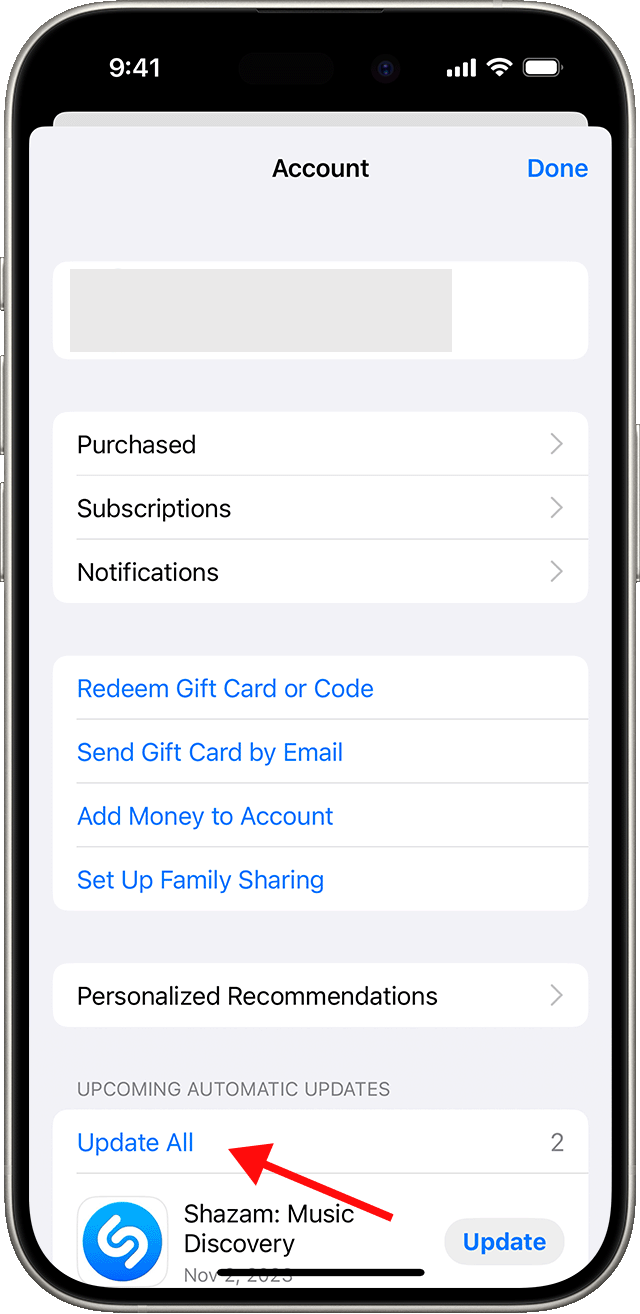
Open the App Store and install available updates. Keeping apps current can improve their compatibility and performance on iOS 26.
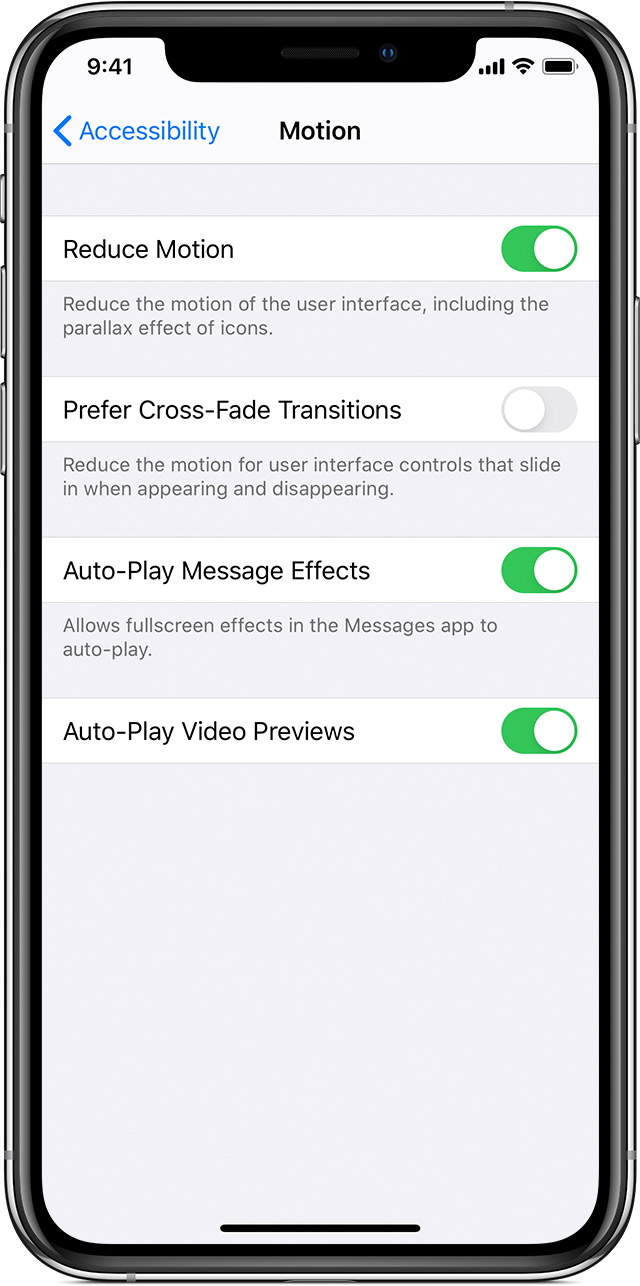
2.4 Reduce Visual Effects
If animations and transitions feel sluggish, enable
Reduce Motion
Sotto
Settings > Accessibility > Motion
. Reducing visual effects can make the interface feel more responsive.
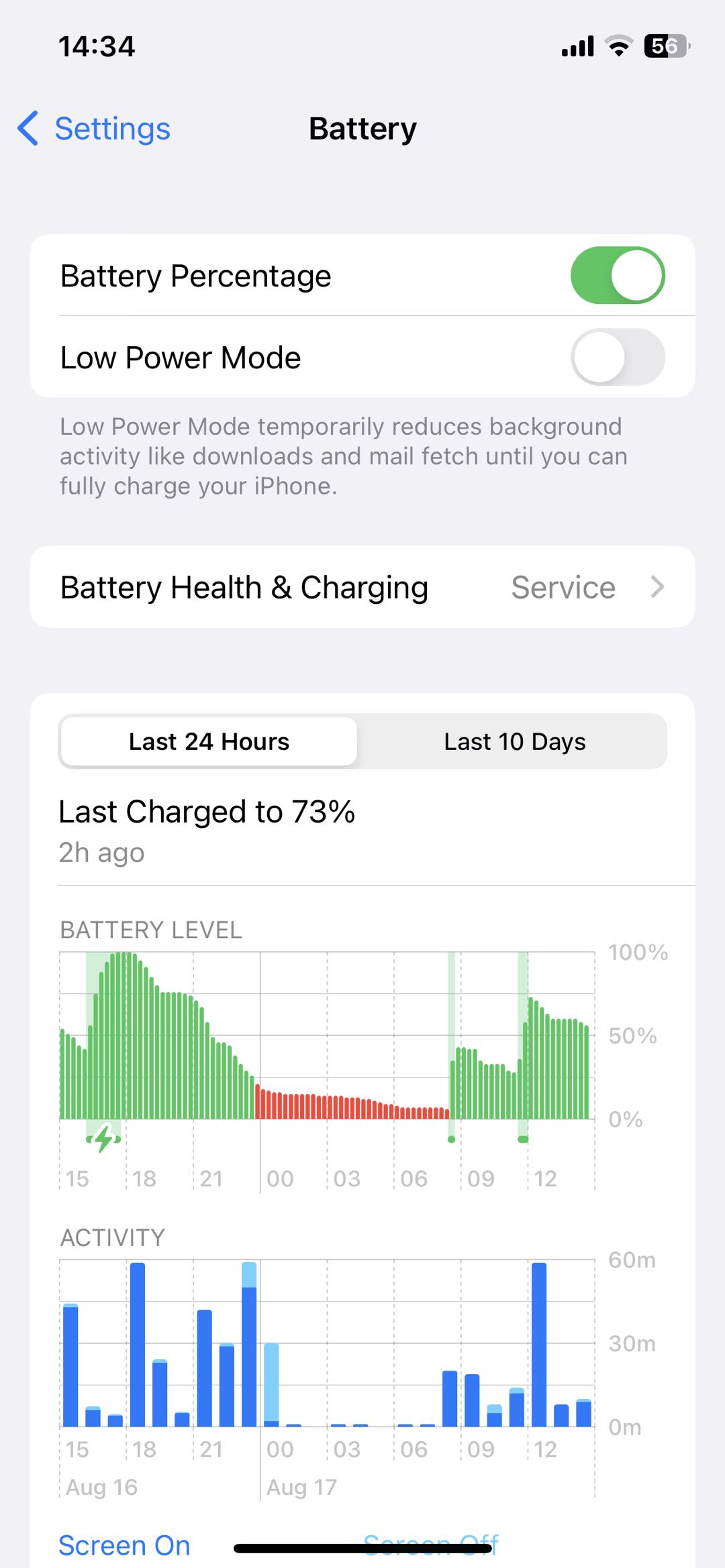
2.5 Check Battery Health
Vai a
Impostazioni > Batteria > Stato della batteria e ricarica
and check your battery condition. If the battery is significantly degraded, consider having it serviced.
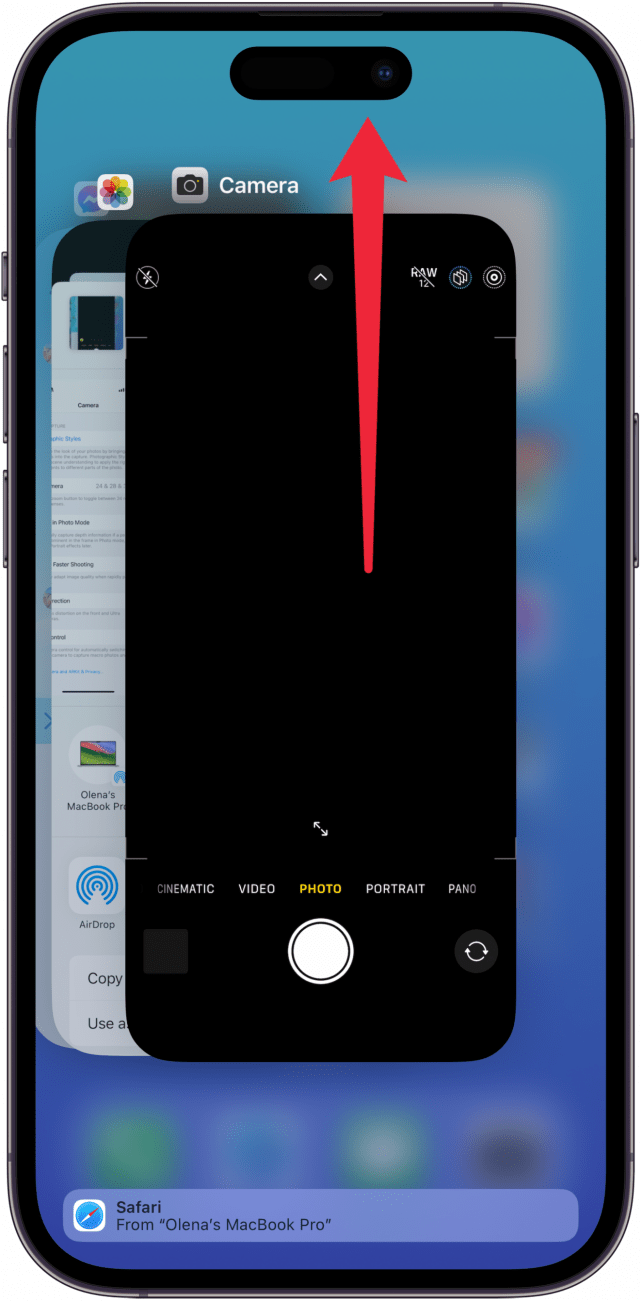
2.6 Close Problematic Apps
If one particular app freezes or becomes extremely slow, close and reopen it. If the problem continues, update or reinstall the application.
2.7 Wait After the iOS Update
If you have only recently installed iOS 26, give your iPhone some time to complete background indexing and optimization. Performance may improve once these tasks are finished.
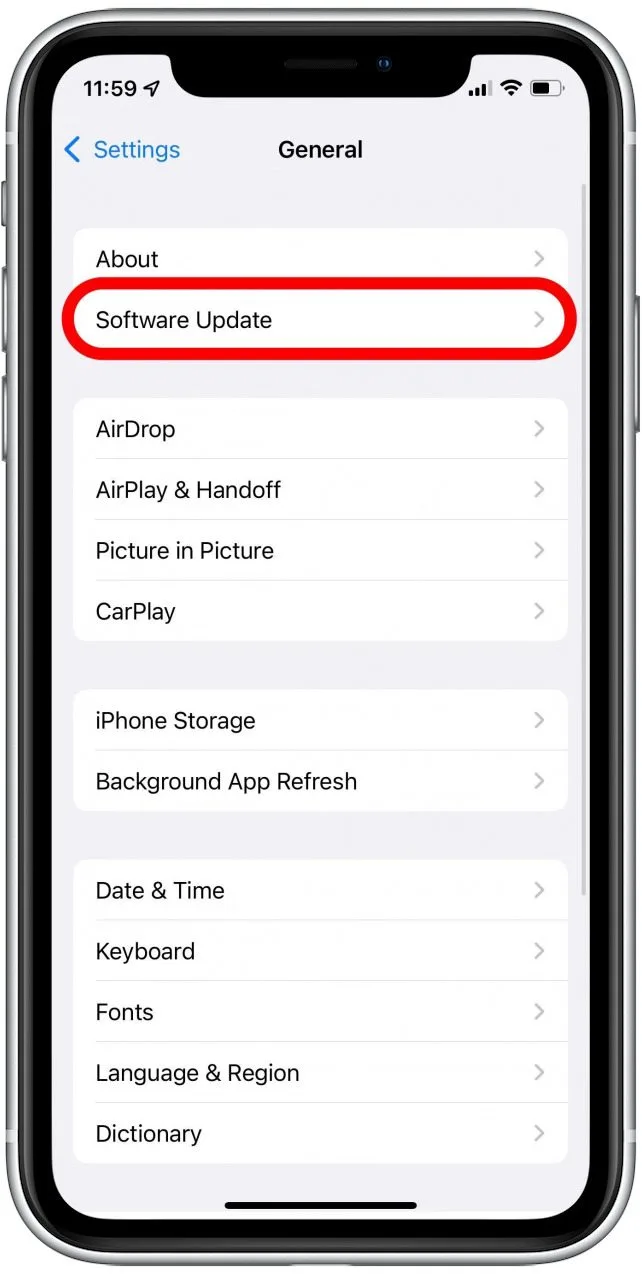
2.8 Install Available iOS Updates
Vai a
Impostazioni > Generali > Aggiornamento software
and check whether a newer iOS version is available. Apple may release updates containing bug fixes and performance improvements.
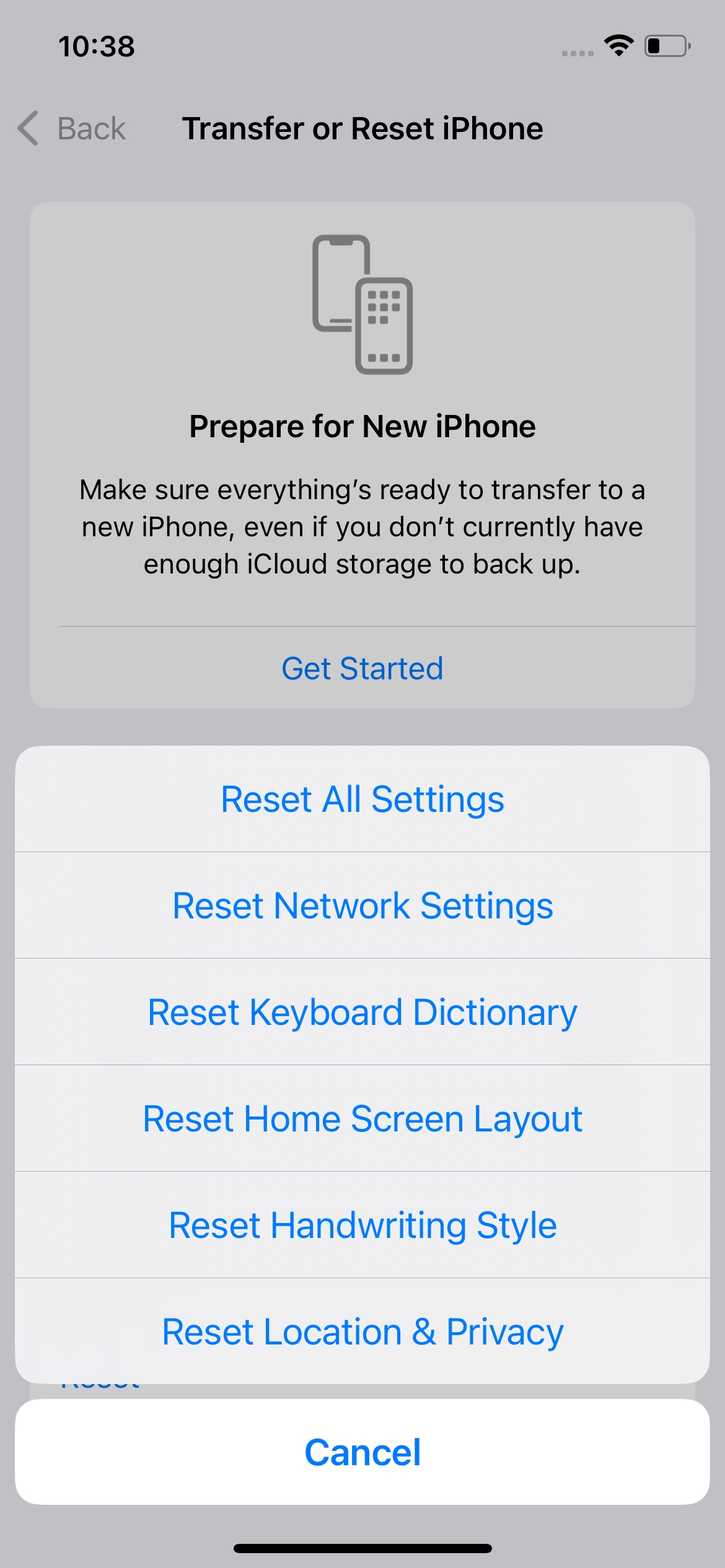
2.9 Reset All Settings
If the lag persists, consider resetting system settings through
Impostazioni > Generali > Trasferisci o ripristina iPhone > Ripristina > Ripristina tutte le impostazioni
. This restores settings to their defaults without normally removing personal content.
3. Bonus: Fix iOS System Issues with AimerLab FixMate
If your iPhone remains laggy after trying the basic solutions, the problem could be related to an underlying iOS system error. In this situation, AimerLab FixMate provides a dedicated desktop solution for repairing various iPhone and iPad system problems.
FixMate is designed to help users troubleshoot issues such as system freezes, abnormal behavior, boot-related problems, and other software errors. Its guided repair process makes it easier to attempt an iOS system repair without relying entirely on complicated manual troubleshooting procedures.
How to Fix iOS System Issues with FixMate:
- Download and install FixMate on your Windows computer.
- Connect your iPhone to the computer using a suitable USB cable, then launch FixMate and allow it to recognize your connected device.
- Select the appropriate repair option based on the iOS problem you are experiencing.
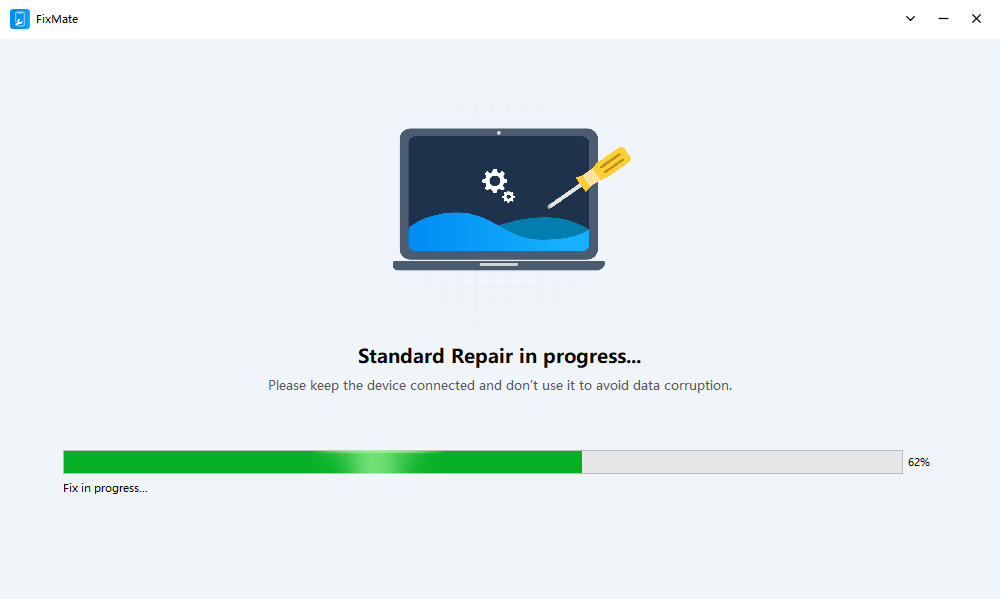
- Follow the on-screen instructions to put your iPhone into the required mode and begin the repair process.
- Wait for the repair to finish, then restart your iPhone and check whether the performance problem has been resolved.
4. Conclusione
If iOS 26 feels laggy, simple solutions such as restarting your iPhone, freeing up storage, updating apps, and installing the latest iOS update may improve performance. However, if lag, freezing, or other system problems continue, AimerLab FixMate
offers a convenient way to repair iOS system issues. With its guided repair process,
FixMate
can help get your iPhone back to a smoother and more stable experience.
- Come risolvere l'errore "Si è verificato un errore durante la verifica del codice di accesso del tuo iPhone"?
- Come risolvere il problema del blocco dell'opzione "Fine su nuovo iPhone"?
- Come scaricare iOS 27 Beta su iPhone?
- Come risolvere il problema del file bloccato in attesa su iPhone?
- Come risolvere il problema dell'altoparlante dell'iPhone disattivato (grigio)?
- Come risolvere l'errore 9 "Impossibile ripristinare l'iPhone"?
- Come falsificare Pokemon Go su iPhone?
- Panoramica dello spoofer di posizione GPS Aimerlab MobiGo
- Come cambiare posizione sul tuo iPhone?
- I 5 migliori spoofer di posizione GPS falsi per iOS
- Definizione del rilevatore di posizione GPS e suggerimento spoofer
- Come cambiare la tua posizione su Snapchat
- Come trovare/condividere/nascondere la posizione sui dispositivi iOS?